Estimados leitores,
Sabiam que Páscoa significa "passagem"?
Pois, bem...
Esta data, celebrada em muitos países é destinada a comemorar a Ressurreição de Jesus Cristo, após a sua morte na Sexta Feira Santa (por volta do ano 33 d.C.)
Ao longo dos anos, este ritual obteve vários contornos e variações em cada cultura. Símbolos e tradições que achamos "tradicionais", noutros lugares são bem o contrário.
Vejamos...
Alemanha
Sabiam que Páscoa significa "passagem"?
Pois, bem...
Esta data, celebrada em muitos países é destinada a comemorar a Ressurreição de Jesus Cristo, após a sua morte na Sexta Feira Santa (por volta do ano 33 d.C.)
Ao longo dos anos, este ritual obteve vários contornos e variações em cada cultura. Símbolos e tradições que achamos "tradicionais", noutros lugares são bem o contrário.
Vejamos...
Alemanha
A Páscoa começa na quinta-feira santa, em alemão Gründonnerstag que significa “quinta feira verde”. Neste dia é bastante normal que se coma alimentos verdes.
A sexta-feira santa em alemão é chamada de Karfreitag. Além do típico ovo de chocolate, também se come Osterlamm, um bolo em forma de cordeiro.
Existe a tradição de se pintar ovos de galinha, e decorar em galhos secos que são posto em vasos, em casa, ou em árvores, conhecidas por Árvores de Páscoa ou Osterbaum. (O galho simboliza a frieza e a morte de Jesus Cristo, enquanto o ovo simboliza a vida, a Ressurreição de Jesus Cristo).
O vídeo abaixo mostra um alemão de 76 anos, que juntou mais de 10 mil ovos para decorar uma macieira do seu jardim.
A sexta-feira santa em alemão é chamada de Karfreitag. Além do típico ovo de chocolate, também se come Osterlamm, um bolo em forma de cordeiro.
Existe a tradição de se pintar ovos de galinha, e decorar em galhos secos que são posto em vasos, em casa, ou em árvores, conhecidas por Árvores de Páscoa ou Osterbaum. (O galho simboliza a frieza e a morte de Jesus Cristo, enquanto o ovo simboliza a vida, a Ressurreição de Jesus Cristo).
O vídeo abaixo mostra um alemão de 76 anos, que juntou mais de 10 mil ovos para decorar uma macieira do seu jardim.
Austrália
O país inteiro comemora um feriado grande, na desde sexta feira (Good Friday) até segunda feira (Good Monday). Na sexta feira é tradicional comer-se o Hot Cross Bun (um tipo de pão doce com passas, noz moscada, canela, cravo e uma cruz desenha no topo).
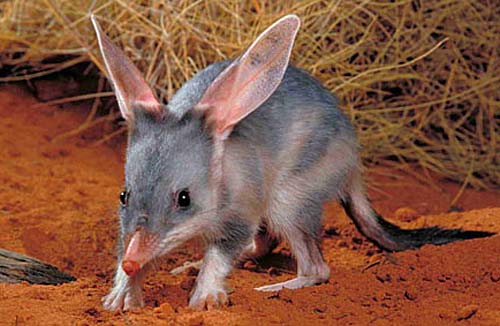
Na Austrália a mascote da Páscoa é um bilby e não um coelho. Os coelhos são vistos como uma praga não controlada, que prejudicam muito o meio ambiente do país. Enquanto a nova mascote corre o risco de extinção.
 |
| Hot Croos Bun |
 |
| Bilby de chocolate |
América Latina e Brasil
É comum as crianças montarem seus próprios ninhos de Páscoa (de vime, madeira ou papel) e enchê-los de palha ou papel picado.
Os ninhos são deixados para o coelho colocar doces e ovos durante a madrugada de Páscoa. A caça ao ovo ou caça ao cestinho são brincadeiras tradicionais.
Bermudas
Os habitantes costumam celebrar a Páscoa lançando papagaios de papel, coloridos, para representar a ascensão de Cristo ao céu.
Os habitantes costumam celebrar a Páscoa lançando papagaios de papel, coloridos, para representar a ascensão de Cristo ao céu.
 |
| Papagaios de papel nas Bermudas |
China
O Qingming Festival, que significa clean and bright, é uma celebração que ocorre na mesma época da Páscoa. Consiste em visitar os túmulos dos ancestrais, que por sua vez são limpos, fazem-se oferendas de comida e bebida e acende-se incenso.
O Qingming Festival, que significa clean and bright, é uma celebração que ocorre na mesma época da Páscoa. Consiste em visitar os túmulos dos ancestrais, que por sua vez são limpos, fazem-se oferendas de comida e bebida e acende-se incenso.
Neste festival é também habitual fazer-se caminhadas ao ar livre, de forma a que os habitantes apreciem os cenários da natureza, e também o lançamento de papagaios de papel, de forma a trazer boa sorte e a afastar as doenças.

Escócia
Uma das brincadeiras tradicionais é uma competição entre as crianças - egg rolling!, que consiste pintar ovos de galinha e depois atirá-los por uma ladeira, de forma a que rolem por terreno a baixo. O que chegar mais longe, sem se partir, ganha.
Uma das brincadeiras tradicionais é uma competição entre as crianças - egg rolling!, que consiste pintar ovos de galinha e depois atirá-los por uma ladeira, de forma a que rolem por terreno a baixo. O que chegar mais longe, sem se partir, ganha.
 |
| Egg rolling |
A tradição mais forte é a decoração de ovos com os quais serão presenteados amigos e parentes. A tradição diz que, se as crianças forem bem comportadas na noite anterior ao domingo de Páscoa e deixarem um boné de tecido num lugar escondido, o coelho deixará doces e ovos coloridos nesses 'ninhos'.
Estados Unidos da América
A brincadeira mais tradicional é Easter egg hunts (a conhecida caça ao ovo). Ovos de chocolate são escondidos pelos casas, quintais, ou parques de foram a serem descobertos pelas crianças, na manhã do dia de Páscoa.
Em algumas cidades a caça ao ovo é um evento organizado pela própria comunidade e é feito numa praça pública.
Em algumas cidades a caça ao ovo é um evento organizado pela própria comunidade e é feito numa praça pública.
 |
| Easter egg hunt |
Filipinas
Há dezenas de anos que os filipinos têm uma tradição bem sangrenta para comemorar a chegada da Páscoa. Na Sexta Feira Santa milhares de fiéis se flagelam, imitando os sofrimentos infligidos a Jesus Cristo e são crucificados na cruz, exatamente como Jesus, como sinal de penitência. O ponto alto é às 15h00, hora em que Jesus morreu.

Finlândia
A Páscoa é comemorada de forma semelhante ao que vemos no Halloween. As tradições deste país misturam referências religiosas com costumes relacionados à tão aguardada chegada da Primavera.
A Páscoa é comemorada de forma semelhante ao que vemos no Halloween. As tradições deste país misturam referências religiosas com costumes relacionados à tão aguardada chegada da Primavera.
Ao abrir a porta da rua, no Domingo antes da Páscoa, surgem pequenas e amáveis bruxas oferecendo-se para proteger o lar, em troca de doces.
Na mais popular tradição familiar, jovens crianças vestem-se de bruxas da Páscoa, com velhas roupas, coloridas e com pintas de tinta no rosto.
Assim muitas famílias, mantêm um cesto cheio de ovos de Páscoa de chocolate perto da porta para dar às visitas.

França
Desde 1973 que em Bessières (Haute Garonne) e também em Mazeres (Ariège), na Segunda Feira de Páscoa, os cavaleiros da Confraria Mundial da Omelete Gigante de Páscoa confeccionam uma omelete com 15 mil ovos!
Assim muitas famílias, mantêm um cesto cheio de ovos de Páscoa de chocolate perto da porta para dar às visitas.
As bruxas recitam uma rima tradicional na porta: Virvon, varvon, tuoreeks terveeks, tulevaks vuodeks; vitsa sulle, palkka mulle! ("Tenho um ramo mágico para um novo e saudável ano; um ramo para você e um doce para mim!")
França
Desde 1973 que em Bessières (Haute Garonne) e também em Mazeres (Ariège), na Segunda Feira de Páscoa, os cavaleiros da Confraria Mundial da Omelete Gigante de Páscoa confeccionam uma omelete com 15 mil ovos!

Guatemala
A Páscoa por aqui é marcada por celebrações religiosas. O ponto alto é na Sexta Feira Santa, quando milhares de locais e turistas enchem as ruas calcetadas de Antigua, para assistir às longas procissões protagonizadas por homens, num invulgar traje maia, de cor roxa. Gigantes andores que chegam a pesar toneladas, com estátuas de Cristo crucificado, desfilam pela cidade. Também há andores com esculturas da Virgem Maria, bem mais leves, transportados por mulheres vestidas de negro.
A Páscoa por aqui é marcada por celebrações religiosas. O ponto alto é na Sexta Feira Santa, quando milhares de locais e turistas enchem as ruas calcetadas de Antigua, para assistir às longas procissões protagonizadas por homens, num invulgar traje maia, de cor roxa. Gigantes andores que chegam a pesar toneladas, com estátuas de Cristo crucificado, desfilam pela cidade. Também há andores com esculturas da Virgem Maria, bem mais leves, transportados por mulheres vestidas de negro.
Mas a grande atração da Semana Santa em Antigua são os extensos tapetes que cobrem as ruas da cidade, feitos de flores e serradura tingida com cores vivíssimas e, em alguns casos, também frutas, vegetais e areia. As alfombras de aserrín são dispostas nas ruas apenas 24 horas antes do início das celebrações, enfeitam o caminho dos fieis até às igrejas. Os tapetes são destruídos em poucos minutos com a passagem da procissão.
 |
| Alfombras de aserrín |
Grécia
A Páscoa traz uma curiosa tradição na Grécia, os Ovos Vermelhos da Páscoa, em grego Κόκκινα πασχαλινά αυγά.
A Páscoa traz uma curiosa tradição na Grécia, os Ovos Vermelhos da Páscoa, em grego Κόκκινα πασχαλινά αυγά.
Muito antes do cristianismo, ancestrais pintavam e decoravam ovos para festejarem a continuação da vida. Os ovos, naquela época, simbolizavam os presentes perfeitos da natureza e eram utilizados para comemorar a chegada da Primavera. O ovo, símbolo antiquíssimo do nascimento do mundo, do nascimento da vida, é encontrado em diversos cultos ancestrais, ele tem dentro de si o poder da vida e acreditava-se que podia transmiti-la aos homens, animais e plantas.
A pintura dos ovos acontece na quinta feira que antecede a Páscoa (Μεγάλη Πέμπτη - Megháli Penpti ou Grande Quinta) e por isso é chamada de Κοκκινοπέφτη (Kokinopéfti - quinta vermelha), lembrando o derrame do sangue de Jesus Cristo. A cor vermelho vivo provém das Papoulas.
Um ritual que acontece após a missa da Ressurreição e repete-se por todo o dia de Páscoa é a quebra dos ovos. Cada pessoa ganha um ovo e segura firmemente envolto na mão, então bate no ovo que está na mão da outra pessoa e ao quebrar um dos ovos diz Χριστός Ανέστη (Xhristós Anésti) - Cristo ressuscitou, e a outra pessoa responde Αληθώς Ανέστη (Alithós Anésti) - Na verdade, ressuscitou. A quebra dos ovos vermelhos simboliza a Ressurreição de Cristo.
O ovo simboliza a vida e a criação que contém esta vida. Quando se rompe a casca do ovo nasce uma vida e quando fazemos o ritual de quebra dos ovos isto simboliza o rompimento da sepultura de Cristo e sua Ressurreição.
Reza a lenda que o último a ter seu ovo rachado terá bastante sorte no ano seguinte.
 |
| Ovos Vermelhos da Páscoa |
Índia
Nos locais onde o hindu é praticado, a
festa ganha detalhes únicos, encontrados apenas no país. Em vez da Páscoa, tal
qual como conhecemos, na Índia é comemorado o Festival Holi. A data é marcada
para relembrar o nascimento do Deus Krishna.
Garantindo um mergulho cultural incomparável, o país reúne-se para dançar, tocar flautas e outros instrumentos musicais, preparando
ainda verdadeiros banquetes com comida e pratos típicos.
Outra marca da festa é a presença dos elefantes que recebem pinturas especiais pelo corpo. Os anfitriões marcam a testa de seus convidados com um pó colorido. Hoje em dia, o pó toma conta dos espaços, enchendo de cor ruas, lugares e pessoas.
Outra marca da festa é a presença dos elefantes que recebem pinturas especiais pelo corpo. Os anfitriões marcam a testa de seus convidados com um pó colorido. Hoje em dia, o pó toma conta dos espaços, enchendo de cor ruas, lugares e pessoas.
Hoje em dia este festival é além fronteiras, torna-se o evento popular em diversos países.
Inglaterra
Nas terras de sua majestade crianças, jovens
e até mesmo adultos procurem ovos de chocolate em jardins e praças públicas - Easter egg hunt.
Na capital inglesa, doçarias e casas de chocolate promovem
diferentes eventos, assim como outros lugares públicos, onde a celebração pode
contar ainda com espetáculos de marionetas, de mágicos e de bandas.
Japão

 |
| Tower Bridge, Londres |
Japão
Apenas um por cento da população japonesa é cristã. No Japão esta altura do ano passa relativamente despercebida. Mas ultimamente, tem sido introduzida na rotina dos japoneses. Por exemplo, em 2010 a Disney construiu um parque em Tóquio para promover a Páscoa - Disney Easter Wonderland. Desde 2011 que a Baskin Robbins tem vindo a promover esta data - Wonderful Easter Campaign.
- Coelho: う さ ぎ = Usagi
- Pintainho: ひ よ こ = Hiyoko
- Chocolate: チ ョ コ レ ー ト = Chokoreeto
- Ovo: 卵 = Tamago
- Jesus: イ エ ス = Liesu
- Jesus Cristo: キ リ ス ト = Kirisuto
Polónia
As mulheres das famílias fazem cestos com bens alimentares, que depois são benzidos e oferecidos a familiares.
Outra tradição é comemorar a Segunda Feira Molhada. É um costume pagão que simboliza a limpeza. Quando o cristianismo se tornou a religião principal, a prática foi adotada como um ritual cristão, relacionada à limpeza dos pecados da alma. Com o passar dos anos a segunda-feira molhada deixou de ser um ritual cristão e virou uma brincadeira. O objetivo é molhar mulheres solteiras e crianças.

Portugal
Outra tradição é comemorar a Segunda Feira Molhada. É um costume pagão que simboliza a limpeza. Quando o cristianismo se tornou a religião principal, a prática foi adotada como um ritual cristão, relacionada à limpeza dos pecados da alma. Com o passar dos anos a segunda-feira molhada deixou de ser um ritual cristão e virou uma brincadeira. O objetivo é molhar mulheres solteiras e crianças.
A Páscoa em Portugal está ligada ao renascimento de Jesus Cristo, assim como nos demais países católicos, e representa a vida. É celebrada no primeiro domingo, início oficial da Primavera.
Além de ser uma celebração religiosa, a Páscoa é um dia especial para os padrinhos e madrinhas, em Portugal. A tradição diz que eles devem dar de presente aos seus afilhados o Folar de Páscoa, um bolo de massa seca, doce e ligada, com canela, erva-doce e ovos cozidos inteiros.
Os principais pratos típicos que se consome nesta altura são o cabrito e borrego assado.
 |
| Folar de Páscoa |
Suécia
A Páscoa na Suécia é muito parecida com a da Finlândia.
Esta tradição, Påskkärringen começou em 1.800, mas a história das bruxas é ainda mais antiga. Acredita-se que na Quinta Feira de Páscoa de 1600, elas voaram para uma grande festa em Blåkulla (interior da Suécia), quando sofreram uma terrível consequência. Mais de 200 mulheres acusadas de serem bruxas morreram queimadas na fogueira, depois de uma terrível tortura. Como forma de relembrar o sofrimento dessas mulheres, na Quinta Feira Santa ou na véspera da Páscoa, as crianças mascaram-se de bruxas mendigas e vão a casa dos seus vizinhos, entregar cartões de Páscoa feitos por elas mesmas.
Esta tradição, Påskkärringen começou em 1.800, mas a história das bruxas é ainda mais antiga. Acredita-se que na Quinta Feira de Páscoa de 1600, elas voaram para uma grande festa em Blåkulla (interior da Suécia), quando sofreram uma terrível consequência. Mais de 200 mulheres acusadas de serem bruxas morreram queimadas na fogueira, depois de uma terrível tortura. Como forma de relembrar o sofrimento dessas mulheres, na Quinta Feira Santa ou na véspera da Páscoa, as crianças mascaram-se de bruxas mendigas e vão a casa dos seus vizinhos, entregar cartões de Páscoa feitos por elas mesmas.

Ucrânia
Existe uma manifestação artística muito especial. A produção de ovos decorados de Páscoa, conhecidos como pysanka, do verbo ucraniano pee-sank-ee, pysaty (escrever em ovos). Esta prática existe desde os tempos pagãos, 4.000 a.C. e fazem parte dos rituais religiosos. Os ovos são pintados com motivos naturais. Decorados com um método batik (corante à base de cera). São constituídos pelos seguintes elementos: trigo - saúde, flores e pássaros - felicidade e primavera, triângulo - ar, fofo e água; galinhas e frangos - fertilidade; galos e folhas de carvalho - masculinidade e força. As pessoas idosas recebem pysanky de cores escuras (vida movimentada) e as crianças de cor predominantemente branca (pois a sua vida ainda é uma página em branco).
Dear readers,
Do you knew that "Easter" means "passing"?
Yeah, well ...
This date is celebrating in many countries, to commemorate the Resurrection of Jesus Christ after his death on Good Friday (around 33 AD)
Over the years, this ritual obtained several contours and variations in each culture. Symbols and traditions that we saw it's "traditional", in other places are very different.
Let's see ...
Germany
Easter begins on Holy Thursday, in german Grundonnerstag which means "green farm fair". On this day is quite normal to eat green food. The Good Friday in German is called Karfreitag.
Beyond the typical chocolate egg, people also eats Osterlamm, a cake in the shape of lamb.
There is a tradition of painting chicken eggs, and decorate in dry branches that are put in pots, at home, or in trees, known as Easter trees or Osterbaum. (The branch symbolizes coldness and death of Jesus Christ, while the egg symbolizes life, the Resurrection of Jesus Christ).
The video below shows a german with 76 years, which drew more than 10,000 eggs to decorate an apple tree in his garden.
Australia
The whole country celebrates a big holiday in since Friday (Good Friday) until Monday (Good Monday). On Friday it's traditional to eat up the Hot Cross Bun (a type of sweet bread with raisins, nutmeg, cinnamon, cloves and draws a cross on top).
In Australia the Easter mascot is a bilby and not a rabbit. Rabbits are seen as an uncontrolled plague, which greatly harm the environment of the country. While the new mascot is in danger of extinction.
Latin America and Brazil
It is common for children to assemble their own Easter nests (wicker, wood or paper) and fill them with straw or shredded paper.
The nests are left to put the rabbit candy and eggs during the early hours of Easter. The egg hunt or hunt small basket are traditional games.
Bermuda
The people usually celebrate Easter launching kites, colorful, to represent Christ's ascension to heaven.
China
The Qingming Festival, which means clean and bright, is a celebration which takes place in the same time of the Easter. Visiting graves of ancestors, clean them, made offerings of food and drink and light incense.
This festival is also usual to be walking outdoors, so that the inhabitants enjoy the scenery of nature, and also the launch of kites in order to bring good luck and ward off disease.
Scotland
One of the traditional games is a competition among children - egg rolling !
Consisting paint chicken eggs and then toss them down a slope, so that by rolling terrain and down. What go further, without breaking wins.
Eastern Europe, such as Estonia, Lithuania and Russia
The strongest tradition is decorating eggs with which will be presented friends and relatives. Tradition says that if the children are well behaved the night before Easter Sunday and leave a cap of tissue in a hidden place, the rabbit will leave candy and colored eggs in these 'nests'.
United States of America
The most traditional Easter egg hunts game is (a known egg hunt). Chocolate eggs are hidden by houses, backyards or parks were to be discovered by children on Easter Day morning.
In some cities the egg hunt is an event organized by the community and is done in a public square.
Philippines
For decades that Filipinos have a bloody good tradition to celebrate the arrival of Easter. On Good Friday thousands of faithful plague, imitating the sufferings inflicted on Jesus Christ and are crucified on the cross, just as Jesus, as a sign of penance. The high point is at 3:00 p.m., at the same time which Jesus died.
Finland
Easter is celebrated similarly to what we see on Halloween. The traditions of this country mixed religious references with customs related to the long-awaited arrival of spring.
When you open the front door, on the Sunday before Easter, there are small and kind witches offering to protect the home, in exchange for candy.
In the most popular family tradition, young children are dressed in Easter witches, with old clothes, colorful and with ink spots on her face.
So many families, keep a basket full of chocolate Easter eggs near the door to give tours.
Witches recite a traditional rhyme at the door: Virvon, varvon, tuoreeks terveeks, tulevaks vuodeks; Vitsa sulle, palkka mulle! ("I have a magic branch to a new and healthy year, a branch for you and a sweet to me!")
France
Since 1973 in Bessières (Haute Garonne) and also in Mazeres (Ariège), on Monday of Easter, the World Omelette Easter Giant Brotherhood Knights cook up an omelet with 15,000 eggs!
Guatemala
Easter here is marked by religious celebrations. The high point is on Good Friday, when thousands of locals and tourists fill the cobbled streets of Antigua, to attend long processions starring men, an unusual Mayan costume, purple color. Litters giant which weigh tons, with statues of Christ crucified, parade through the city. There litters with sculptures of the Virgin Mary and lighter carried by women dressed in black.
But the big attraction of Holy Week in Antigua are the extensive carpets covering the streets, made of flowers and dyed sawdust with very vivid colors, and in some cases, also fruits, vegetables and sand. The carpets of aserrín are arranged on the streets just 24 hours before the start of the celebrations, adorn the path of the faithful to the church. The carpets are destroyed in a few minutes with the passage of the procession.
Greece
Easter brings a curious tradition in Greece, the Easter Red Eggs in greek Κόκκινα πασχαλινά αυγά.
Long before Christianity, ancient painted and decorated eggs to cheer about the continuation of life. The eggs, then, symbolized the perfect gifts of nature and were used to celebrate the arrival of spring. The egg, ancient symbol of the world's birth, the birth of life, is found in many ancient cults, he has within himself the power of life and it was believed that he could transmit it to humans, animals and plants.
The painting of the eggs takes place on Thursday leading up to Easter (Μεγάλη Πέμπτη - Megháli Penpti or Great Thursday) and so is called Κοκκινοπέφτη (Kokinopéfti - fifth red), remembering the spill the blood of Jesus Christ. The bright red color comes from the Poppies.
A ritual that happens after the Mass of the Resurrection and is repeated throughout the Easter Day is the breaking of the eggs. Each person gets an egg and secure tightly wrapped in hand, then beat in the egg in the hand of the other person and break an egg says Χριστός Ανέστη (Xhristós Anesti) - Christ is risen, and the other person responds Αληθώς Ανέστη (Alithós Anesti) - In fact, risen. The breakdown of red eggs symbolizing the Resurrection of Christ.
The egg symbolizes life and the creation that contains this life. When it breaks the eggshell born a life and when we do the eggs break ritual that symbolizes the breaking of the sepulcher of Christ and his resurrection.
Legend has it that the last to have its cracked egg will have enough luck the following year.
India
In places where Hindu is practiced, the party won only details found only in the country. Instead of Easter, just as we know, India is celebrated Holi Festival. The date is marked to commemorate the birth of Lord Krishna.
Ensuring an unparalleled cultural diving, the country meets to dance, play flutes and other musical instruments, still preparing true banquet with food and dishes.
Another party of the brand is the presence of elephants receive special paintings by the body. The hosts mark the forehead of your guests with a colored powder. Today, the powder takes care of spaces, filling color streets, places and people.
Today this festival is abroad, the popular event becomes in many countries.
England
In the lands of Her Majesty, children, youth and even adults seek chocolate eggs in gardens and public squares - Easter egg hunt.
In the English capital, confectionery and chocolate houses promote different events, and other public places where the celebration can also count on puppet shows, magicians and bands.
Japan
Only one percent of the Japanese population is Christian. In Japan this time of year passes relatively unnoticed. But lately, it has been introduced into the routine of the Japanese. For example, in 2010 the Disney builded a park in Tokyo to promote Easter - Disney Easter Wonderland. Since 2011 the Baskin Robbins has been promoting this date - Wonderful Easter Campaign.
Rabbit: う さ ぎ = Usagi
Chick: ひ よ こ = Hiyoko
Chocolate: チ ョ コ レ ー ト = Chokoreeto
Egg: 卵 = Tamago
Jesus: イ エ ス = Liesu
Jesus Christ: キ リ ス ト = Kirisuto
Poland
The women's families make baskets with food, which are then blessed and offered the family.
Another tradition is to celebrate the Wet Monday. It is a pagan custom that symbolizes cleaning. When Christianity became the main religion, the practice was adopted as a Christian ritual, related to clean the sins of the soul. Over the years the wet Monday ceased to be a Christian ritual and turned into a joke. The goal is wet single women and children.
Portugal
Easter in Portugal is linked to the rebirth of Jesus Christ, as in other Catholic countries, and represents life. It is celebrated on the first Sunday, the official beginning of spring.
Besides being a religious celebration, Easter is a special day for the groomsmen and bridesmaids in Portugal. The tradition says they should give away to their godchildren the Folar Easter a dry mass of cake, sweet and on, with cinnamon, fennel and whole boiled eggs.
The main dishes that is consumed at this time are the lamb and roast lamb.
Sweden
Easter in Sweden is very similar to that of Finland.
This tradition began in 1800 Påskkärringen, but the story of the witches is even older. It is believed that on Thursday, Easter 1600, they flew to a big party in Blåkulla (within Sweden), when suffered a terrible consequence. More than 200 women accused of being witches were burnt to death at the stake, after a terrible torture. As a way to remember the suffering of these women in Holy Thursday or the day before Easter, children mask is beggars witches and go home of their neighbors, deliver Easter cards made by themselves.
Ukraine
There is a very special art form. The production of eggs decorated Easter, known as pysanka, the Ukrainian verb pee-sank-ee, pysaty (write in eggs). This practice has existed since pagan times, 4000 BC and are part of religious rituals. The eggs are painted with natural motifs. Decorated with a batik method (dye-based wax). They consist of the following: wheat - health, flowers and birds - happiness and spring, triangle - air, water and fluffy; hens and chickens - fertility; roosters and oak leaves - masculinity and strength. The elderly receive from dark colors pysanky (busy life) and children predominantly white (because his life is still a blank page).
Existe uma manifestação artística muito especial. A produção de ovos decorados de Páscoa, conhecidos como pysanka, do verbo ucraniano pee-sank-ee, pysaty (escrever em ovos). Esta prática existe desde os tempos pagãos, 4.000 a.C. e fazem parte dos rituais religiosos. Os ovos são pintados com motivos naturais. Decorados com um método batik (corante à base de cera). São constituídos pelos seguintes elementos: trigo - saúde, flores e pássaros - felicidade e primavera, triângulo - ar, fofo e água; galinhas e frangos - fertilidade; galos e folhas de carvalho - masculinidade e força. As pessoas idosas recebem pysanky de cores escuras (vida movimentada) e as crianças de cor predominantemente branca (pois a sua vida ainda é uma página em branco).
 |
| Pysanka |
Dear readers,
Do you knew that "Easter" means "passing"?
Yeah, well ...
This date is celebrating in many countries, to commemorate the Resurrection of Jesus Christ after his death on Good Friday (around 33 AD)
Over the years, this ritual obtained several contours and variations in each culture. Symbols and traditions that we saw it's "traditional", in other places are very different.
Let's see ...
Germany
Easter begins on Holy Thursday, in german Grundonnerstag which means "green farm fair". On this day is quite normal to eat green food. The Good Friday in German is called Karfreitag.
Beyond the typical chocolate egg, people also eats Osterlamm, a cake in the shape of lamb.
There is a tradition of painting chicken eggs, and decorate in dry branches that are put in pots, at home, or in trees, known as Easter trees or Osterbaum. (The branch symbolizes coldness and death of Jesus Christ, while the egg symbolizes life, the Resurrection of Jesus Christ).
The video below shows a german with 76 years, which drew more than 10,000 eggs to decorate an apple tree in his garden.
Australia
The whole country celebrates a big holiday in since Friday (Good Friday) until Monday (Good Monday). On Friday it's traditional to eat up the Hot Cross Bun (a type of sweet bread with raisins, nutmeg, cinnamon, cloves and draws a cross on top).
In Australia the Easter mascot is a bilby and not a rabbit. Rabbits are seen as an uncontrolled plague, which greatly harm the environment of the country. While the new mascot is in danger of extinction.
|
| Hot Croos Bun |
|
| Bilby de chocolate |
It is common for children to assemble their own Easter nests (wicker, wood or paper) and fill them with straw or shredded paper.
The nests are left to put the rabbit candy and eggs during the early hours of Easter. The egg hunt or hunt small basket are traditional games.
Bermuda
The people usually celebrate Easter launching kites, colorful, to represent Christ's ascension to heaven.
 |
| Kites in Bermuda |
The Qingming Festival, which means clean and bright, is a celebration which takes place in the same time of the Easter. Visiting graves of ancestors, clean them, made offerings of food and drink and light incense.
This festival is also usual to be walking outdoors, so that the inhabitants enjoy the scenery of nature, and also the launch of kites in order to bring good luck and ward off disease.
Scotland
One of the traditional games is a competition among children - egg rolling !
Consisting paint chicken eggs and then toss them down a slope, so that by rolling terrain and down. What go further, without breaking wins.
|
| Egg rolling |
The strongest tradition is decorating eggs with which will be presented friends and relatives. Tradition says that if the children are well behaved the night before Easter Sunday and leave a cap of tissue in a hidden place, the rabbit will leave candy and colored eggs in these 'nests'.
United States of America
The most traditional Easter egg hunts game is (a known egg hunt). Chocolate eggs are hidden by houses, backyards or parks were to be discovered by children on Easter Day morning.
In some cities the egg hunt is an event organized by the community and is done in a public square.
|
| Easter egg hunt |
For decades that Filipinos have a bloody good tradition to celebrate the arrival of Easter. On Good Friday thousands of faithful plague, imitating the sufferings inflicted on Jesus Christ and are crucified on the cross, just as Jesus, as a sign of penance. The high point is at 3:00 p.m., at the same time which Jesus died.
Finland
Easter is celebrated similarly to what we see on Halloween. The traditions of this country mixed religious references with customs related to the long-awaited arrival of spring.
When you open the front door, on the Sunday before Easter, there are small and kind witches offering to protect the home, in exchange for candy.
In the most popular family tradition, young children are dressed in Easter witches, with old clothes, colorful and with ink spots on her face.
So many families, keep a basket full of chocolate Easter eggs near the door to give tours.
Witches recite a traditional rhyme at the door: Virvon, varvon, tuoreeks terveeks, tulevaks vuodeks; Vitsa sulle, palkka mulle! ("I have a magic branch to a new and healthy year, a branch for you and a sweet to me!")
France
Since 1973 in Bessières (Haute Garonne) and also in Mazeres (Ariège), on Monday of Easter, the World Omelette Easter Giant Brotherhood Knights cook up an omelet with 15,000 eggs!
Guatemala
Easter here is marked by religious celebrations. The high point is on Good Friday, when thousands of locals and tourists fill the cobbled streets of Antigua, to attend long processions starring men, an unusual Mayan costume, purple color. Litters giant which weigh tons, with statues of Christ crucified, parade through the city. There litters with sculptures of the Virgin Mary and lighter carried by women dressed in black.
But the big attraction of Holy Week in Antigua are the extensive carpets covering the streets, made of flowers and dyed sawdust with very vivid colors, and in some cases, also fruits, vegetables and sand. The carpets of aserrín are arranged on the streets just 24 hours before the start of the celebrations, adorn the path of the faithful to the church. The carpets are destroyed in a few minutes with the passage of the procession.
|
| Carpets of aserrín |
Easter brings a curious tradition in Greece, the Easter Red Eggs in greek Κόκκινα πασχαλινά αυγά.
Long before Christianity, ancient painted and decorated eggs to cheer about the continuation of life. The eggs, then, symbolized the perfect gifts of nature and were used to celebrate the arrival of spring. The egg, ancient symbol of the world's birth, the birth of life, is found in many ancient cults, he has within himself the power of life and it was believed that he could transmit it to humans, animals and plants.
The painting of the eggs takes place on Thursday leading up to Easter (Μεγάλη Πέμπτη - Megháli Penpti or Great Thursday) and so is called Κοκκινοπέφτη (Kokinopéfti - fifth red), remembering the spill the blood of Jesus Christ. The bright red color comes from the Poppies.
A ritual that happens after the Mass of the Resurrection and is repeated throughout the Easter Day is the breaking of the eggs. Each person gets an egg and secure tightly wrapped in hand, then beat in the egg in the hand of the other person and break an egg says Χριστός Ανέστη (Xhristós Anesti) - Christ is risen, and the other person responds Αληθώς Ανέστη (Alithós Anesti) - In fact, risen. The breakdown of red eggs symbolizing the Resurrection of Christ.
The egg symbolizes life and the creation that contains this life. When it breaks the eggshell born a life and when we do the eggs break ritual that symbolizes the breaking of the sepulcher of Christ and his resurrection.
Legend has it that the last to have its cracked egg will have enough luck the following year.
|
| Easter Red Eggs |
In places where Hindu is practiced, the party won only details found only in the country. Instead of Easter, just as we know, India is celebrated Holi Festival. The date is marked to commemorate the birth of Lord Krishna.
Ensuring an unparalleled cultural diving, the country meets to dance, play flutes and other musical instruments, still preparing true banquet with food and dishes.
Another party of the brand is the presence of elephants receive special paintings by the body. The hosts mark the forehead of your guests with a colored powder. Today, the powder takes care of spaces, filling color streets, places and people.
Today this festival is abroad, the popular event becomes in many countries.
In the lands of Her Majesty, children, youth and even adults seek chocolate eggs in gardens and public squares - Easter egg hunt.
In the English capital, confectionery and chocolate houses promote different events, and other public places where the celebration can also count on puppet shows, magicians and bands.
|
| Tower Bridge, Londres |
Only one percent of the Japanese population is Christian. In Japan this time of year passes relatively unnoticed. But lately, it has been introduced into the routine of the Japanese. For example, in 2010 the Disney builded a park in Tokyo to promote Easter - Disney Easter Wonderland. Since 2011 the Baskin Robbins has been promoting this date - Wonderful Easter Campaign.
Rabbit: う さ ぎ = Usagi
Chick: ひ よ こ = Hiyoko
Chocolate: チ ョ コ レ ー ト = Chokoreeto
Egg: 卵 = Tamago
Jesus: イ エ ス = Liesu
Jesus Christ: キ リ ス ト = Kirisuto
Poland
The women's families make baskets with food, which are then blessed and offered the family.
Another tradition is to celebrate the Wet Monday. It is a pagan custom that symbolizes cleaning. When Christianity became the main religion, the practice was adopted as a Christian ritual, related to clean the sins of the soul. Over the years the wet Monday ceased to be a Christian ritual and turned into a joke. The goal is wet single women and children.
Portugal
Easter in Portugal is linked to the rebirth of Jesus Christ, as in other Catholic countries, and represents life. It is celebrated on the first Sunday, the official beginning of spring.
Besides being a religious celebration, Easter is a special day for the groomsmen and bridesmaids in Portugal. The tradition says they should give away to their godchildren the Folar Easter a dry mass of cake, sweet and on, with cinnamon, fennel and whole boiled eggs.
The main dishes that is consumed at this time are the lamb and roast lamb.
|
| Easter Folar |
Easter in Sweden is very similar to that of Finland.
This tradition began in 1800 Påskkärringen, but the story of the witches is even older. It is believed that on Thursday, Easter 1600, they flew to a big party in Blåkulla (within Sweden), when suffered a terrible consequence. More than 200 women accused of being witches were burnt to death at the stake, after a terrible torture. As a way to remember the suffering of these women in Holy Thursday or the day before Easter, children mask is beggars witches and go home of their neighbors, deliver Easter cards made by themselves.
Ukraine
There is a very special art form. The production of eggs decorated Easter, known as pysanka, the Ukrainian verb pee-sank-ee, pysaty (write in eggs). This practice has existed since pagan times, 4000 BC and are part of religious rituals. The eggs are painted with natural motifs. Decorated with a batik method (dye-based wax). They consist of the following: wheat - health, flowers and birds - happiness and spring, triangle - air, water and fluffy; hens and chickens - fertility; roosters and oak leaves - masculinity and strength. The elderly receive from dark colors pysanky (busy life) and children predominantly white (because his life is still a blank page).
|
| Pysanka |