quarta-feira, 3 de junho de 2015

"O amor chegou ao fim..."/"The end of love..."

Caros viajantes,


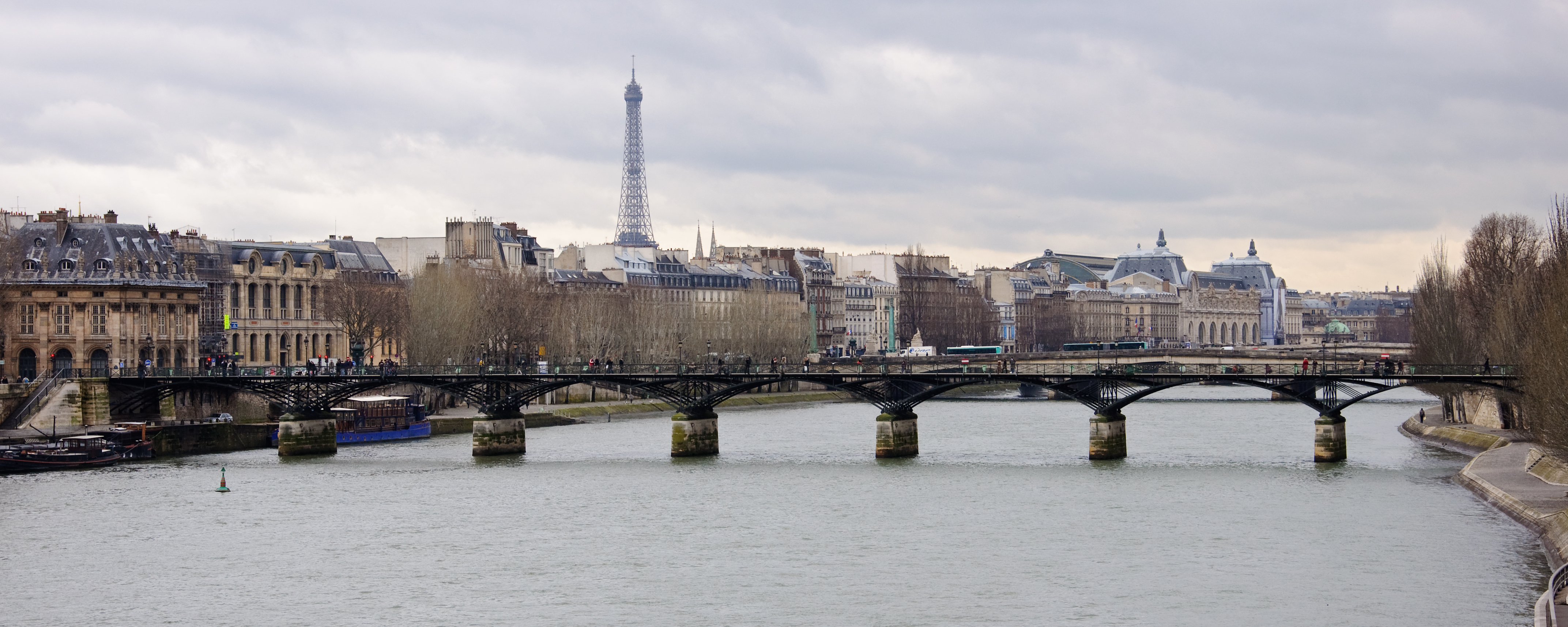
Imagem retirada da edição online do Diário de Notícias

As autoridades francesas estão a retirar os milhares de cadeados presos na Pont des Arts, em Paris. Que simbolizam o amor eterno, por casais que os prendem ali e que depois atiram a chave ao rio Sena. Cerca de 45 toneladas (cerca de um milhão de cadeados) estão a pôr a estrutura em risco. Esta decisão foi tomada, depois de duas grades terem caído à um ano atrás, comprometendo a segurança no local.

Para substituição das grades vão ser colocados quatro painéis de madeira, pintados por artistas urbanos. Um deles é o português Pantónio, entre os franceses Jace e Brusk e do franco-tunisino El Seed. As obras ficarão expostas temporariamente até ao verão, sendo depois substituídas por painéis de acrílico.

É caso para se dizer "C'est la vie mon amie...."


Dear Travelers,


Image take of the online edition Diário de Notícias

The French authorities are removing thousands of padlocks stuck in the Pont des Arts, in Paris. They symbolize the eternal love by couples which holded them there and then throw the key to Seine river. About 45 tons (more or less of one million of padlocks) are threatening structure. This decision was taken after two grids had fallen a year ago, compromising the security there.


Replacement bars will be placed four wooden panels, painted by urban artists. One is the Portuguese Pantónio, between the French guys Jace and Brusk and a Franco-Tunisian El Seed. The works will be exposed temporarily until summer, before being replaced by acrylic panels.


It's time to say "C'est la vie mon amie...."


terça-feira, 26 de maio de 2015

Restaurante O Belcanto entre os 100 melhores do mundo/The Belcanto Restaurant in the top 100 of the world

Caros aventureiros,


O Blog Wing Plane felicita e congratula o Chef José Avillez e à sua equipa do Restaurante O Belcanto, por terem entrado na lista dos "100 Melhores Restaurantes do Mundo de 2015", atribuído pela organização The World 50 Best Restaurants.

A lista de classificados entre as posições 51-100 permite saber o ranking das posições 1-50 (que só se saberá na próxima semana, quando for apresentado em Londres).

De salientar que é o primeiro restaurante português, com um chef lusitano, em território nacional, a entrar nesta lista, ficando na posição 91ª.

Imagem retirada do Blog A Cidade na Ponta dos Dedos

O Chef José Avillez já conta com cinco estabelecimentos,

O Belcanto
Cantinho do Avillez (Lisboa)
Cantinho do Avillez (Porto)
Café Lisboa
Mini Bar
Pizzaria Lisboa

e também com uma repleta e longa lista de prémios, reconhecimentos e participações. A última grande marca foi atribuída em 2014, quando O Belcanto foi distinguido com duas estrelas Michelin (sendo também o primeiro português a conseguir tal mérito).


O Belcanto

+ 351 21 342 06 07 

Largo de São Carlos, 10

1200-410 Lisboa
Portugal

Horário:

Almoço: De terça a sábado das 12h30 às 15h00

Jantar: De terça a sábado das 19h00 às 23h00 

Encerrado: domingo e segunda
Período de Férias: 19 de Janeiro a 3 de Fevereiro (inclusive); 3 a 18 de Agosto (inclusive)
Fecho Anual: 24 e 25 de Dezembro e 1 de Janeiro

(informação retirada do site oficial do restaurante)


Dear adventurers,


The Blog Wing Plane congratulates the Chef José Avillez and his team of O Belcanto Restaurant, which entered into the "The World’s 50 Best Restaurants 51-100 in 2015", attributed by The World 50 Best Restaurants organization.

The list of 51-100 positions allows to know the ranking of 1-50 positions (which is gonna be announced in the next week at London).

We also refer that is the first Portuguese restaurant, by a Portuguese chef, in nacional territory, to enter in that list, reaching the 91st position.

Imagem taken from the Blog A Cidade na Ponta dos Dedos

The Chef José Avillez has already five establishments,

O Belcanto
Cantinho do Avillez (Lisbon)
Cantinho do Avillez (Porto)
Café Lisboa
Mini Bar
Pizzaria Lisboa

and a vast and unique list of awards and recognitions. The last and big one was attributed in 2014, when O Belcanto Restaurant was distinguished with two Michelin Stars (it's also de first Portuguese to reach this kind of merit).


O Belcanto
+ 351 21 342 06 07
Largo de São Carlos, 10
1200-410 Lisboa
Portugal

Opening Hours:

Lunch: 12.30 am - 03.00 pm

Dinner: 07.00 pm - 11.00 pm

From Tuesday to Saturday.
Closed Sunday and Monday.
Closed for staff holidays: 19 January to 3 February (inclusive); 3 to 18 August (inclusive)
Closed on public holidays: 24 and 25 December and 1 January


(This information was taken by the official site of the restaurant)


segunda-feira, 25 de maio de 2015

"Passenger Shaming"

Caros passageiros,


Andar de avião nem sempre é tão agradável como julgamos. Especialmente quando vamos acompanhados de passageiros extremamente educados e respeitadores. Existem aqueles que falam de mais, os que ressonam, o que se descalçam, os que adormecem em cima de ti, os que transportam toda uma essência/fragrância de fazer arrebitar o nariz, os amantes de jornais, entre muitas outras qualidades, defeitos e feitios.
Existem histórias e experiências de ficar de boca aberta.
Por isso partilhamos convosco três websites, onde poderás ver de tudo um pouco que acontece a bordo dos aviões por esse mundo fora. Se tens algo deste género, faz o upload ;)

Algumas sugestões:

- usa roupa confortável e decente;
- tem a higiene em dia;
- leva apenas o essencial para o teu lugar;
- tenta ter o teu espaço limpo e arrumado;
- respeita o espaço do vizinho;
- não ponhas a música dos teus phones/auscultadores demasiado alta;
- não ponhas os pés no ar ou pendurados;
- caso o teu vizinho não seja de conversas, não o incomodes com falatórios (há quem preferia viajar em silêncio);
- cuidado com os cabelos;
- o teu vizinho não é a tua almofada durante o teu sono;
- o avião não é a tua casa, sê atencioso e respeitador;

Vejam os seguintes websites, e deliciem-se com as maravilhas.


Imagem retirada do
Instagram Passenger Shaming
Imagem retirada do 
Instagram Passenger Shaming
Imagem retirada do 
Instagram Passenger Shaming


Dear passengers,


flying is not always as nice as we think. Especially, when we are accompanied by extremely polite and respectful passengers. There are those who speak all the time, those who snore, those who take of their shoes, those who fall asleep on you, carrying an amazing whole essence / fragrance, newspaper lovers, among many other types and defects.
There are stories and experiences of gawk.
So we share with you a website where you can see a little of everything that happens on board aircraft throughout the world. If you have something like this, upload;)

Some suggestions when you are traveling:

- Use comfortable and decent clothes;
- Do your body hygiene;
- Take the essentials things for your place;
- Try to have your space clean and tidy;
- Respect the space of your neighbors;
- Don't put the music of your phones / headphones too high;
- Don't put your feet in the air or hung somewhere;
- If your neighbor isn't a chat person, don't bother her/him with too much conversation (there are people who prefer traveling in silence);
- Take care of  your hair;
- Your neighbor is not your pillow during your sleep;
- The plain isn't your home, be kind and respectful;

See the following websites and rave with the wonders.


Image taken from the
Passenger Shaming Instagram
Image taken from the 
Passenger Shaming Instagram
Image taken from the 
Passenger Shaming Instagram

sexta-feira, 22 de maio de 2015

Como poupar dinheiro para viajar?/How to save money to traveling?

Caros viajantes,


Imagem retirada do website http://rebloggy.com/


Gostam de viajar? Gostam de explorar e andar por aí a conhecer tudo e todos?

Hoje em dia já se consegue por um pé fora da nossa terra natal mais facilmente. Antigamente não havia tantas oportunidades como hoje.

Mas mesmo assim, deixamos algumas dicas para puderem poupar, a fim de explorarem esse mundo fora.

Se souberem de algum truque, não se acanhem e partilhem. Ajuda-nos a todos!!


Ora aqui estão:


  • Arranjar trabalho em part-time (para quem tem tempo e consegue conciliar, é uma grande ajuda);
  • Comprar coisas em segunda mão (conseguimos poupar uns bons euros se optarmos por esta via);
  • Vender artigos que já não se utiliza (além de libertar espaço em casa, ainda conseguimos algum retorno);
  • Deixar certos vícios (como fumar, beber álcool em saídas, comprar roupa...);
  • Preparar as refeições em casa (evitar consumir na rua);
  • Adoptar um estilo de vida saudável (optar por andar a pé, bicicleta ou de transportes públicos, excluir o carro da tua rotina, são alguns conselhos);
  • Criar uma conta para as poupanças (uma forma mais organizada de amealhar cêntimo a cêntimo);
  • Preferir alojamento em hostels (óptima solução para quem quer despender pouco dinheiro em alojamento);
  • Partilhar casa (se for possível, é meio caminho andado para partilhar despesas e custos);
  • Excluir a TV por cabo em casa (actualmente já se consegue fazer tudo na internet, desde ver series, filmes, novelas, documentários, entre outros. Será que precisamos mesmo de uma TV na sala? Se fizermos as contas ao ano, é ou não é uma boa quantia a poupar?);
  • Adere a eventos culturais gratuitos;
  • Fazer as compras em feiras locais, mercados (preferir alimentos frescos do que a processados);
  • Criar metas e cumpri-las;


Fiquem bem e já sabem, toca a poupar***


Dear travelers,


Image taken from the website http://rebloggy.com/


Do you like to travel? Do you like to explore and walk around to know everything and everyone?

Nowadays ever get for a foot out of our comfort zone more easily. Previously only traveled that could even.

But even so, we leave some tips to save can go and explore that world.

If you know of any tricks, not be shy and share. Help us all !!!


Here they are:


  • Get a work in part time (for those who have time it's a great help);
  • Buy things in second-hand (we can save a couple of euros if we choose do this);
  • Sell ​​items that no longer use (in addition, to free up space at home and get some coins);
  • Leave certain addictions (e.g. smoking, drinking alcohol, buying clothes...);
  • Prepare meals at home (avoid consuming at the street);
  • Adopt a healthy lifestyle (choose walking by foot, by bicycle or going by public transports, excluding the car of your routine);
  • Create an account for savings (a better to organize your money);
  • Practise couchsurfing (the best way to travel without spending money);
  • Prefer accommodation in hostels (optimal solution for those who want to spend a little money on accommodation);
  • Share your house (if possible, is halfway walking to share expenses and costs);
  • Delete the cable TV at home (currently we can do everything on the internet, such as: watching series, films, novels, documentaries, others. Do we really need a TV in our house? If we do the math a year, it's a good amount that we can save);
  • Stick to free cultural events;
  • Make purchases in local fairs, markets (choose clean food than processed);
  • Create goals and stick to them;


Stay attentive and lets save some money**

quarta-feira, 6 de maio de 2015

9ª. Edição MEO Out Jazz Lisboa | Belém

Olá seguidores!


Está de regresso mais uma edição do contagiante Meo Out Jazz! 

O evento já regressou regressou a 2 de maio aos jardins da capital Lisboeta para promover energias e garantir a boa disposição através da música.

Para os mais distraídos ou os turistas curiosos por eventos diferentes na nossa cidade, o Meo Out Jazz destaca-se por apaziguar o stress citadino com swing. 

Aos sábados, num género mais intimista, a partir das 17 horas em espaços tão distintos como o Jardim Japonês, em Belém, o Cais das Colunas, o Jardim da Graça, a Quinta das Conchas, o Jardim das Amoreiras, o Miradouro de São Pedro de Alcântara ou as escadarias da Bica. Aos domingos, também pelas 17 horas, bandas e DJ’s animam as tardes lisboetas até ao pôr-do-sol com um ambiente festivaleiro descontraído e relaxado. Um convite à animação, em família ou com amigos. O último dia de cada mês está reservado à renovada Praça do Martim Moniz, que em três anos se consagrou um dos pontos de encontro de excelência da capital, e que concretiza o conceito do evento: a fusão de géneros, sonoridades, espaços e pessoas.

A 9ª edição do Meo Out Jazz traz novidades: para além de marcar presença em Lisboa, irá atravessar a Ponte 25 de Abril, a caminho do sul, para presentear todos os interessados com três dias de concertos e Dj set nos espaços mais emblemáticos do Troia Resort.

Um evento a não perder!


Para mais informações: https://pt-pt.facebook.com/outjazz2012


Hello followers!

It is back another contagious edition of  Meo Out Jazz!

The event has already returned back in the 2nd of May to the gardens of Lisbon to promote energy and ensure good mood through music.

For the more distracted people, and curious tourists looking for different events in our city, Meo Out Jazz stands out for appeasing the city stress with swing.

On Saturdays a more intimate kind, from 17 hours in areas as diverse as the Japanese Garden in Bethlehem, the Columns Pier, Garden of Grace, Quinta das Conchas, the Garden Amoreiras, the Mirador de São Pedro Alcantara or the stairs da Bica. On Sundays, also at 17 o'clock, bands and DJs enliven the Lisbon afternoons until the going down of the sun with a casual and relaxed environment Festival Goer. An invitation to animation, with family or friends. The last day of each month is reserved for renewed Martim Moniz Square, which in three years has devoted one of the meeting points of excellence of the capital, and embodying the concept of the event: the fusion of genres, sounds, spaces and people.

The 9th edition of the Meo Out Jazz brings news: in addition to a presence in Lisbon, will cross the 25 de Abril Bridge, the southern way, to present all stakeholders with three days of concerts and Dj set in the most emblematic spaces of Troia Resort.

An event not to be missed!

For more information https://pt-pt.facebook.com/outjazz2012

quarta-feira, 15 de abril de 2015

Prémios da Academia Internacional da Gastronomia / International Academy of Gastronomy Awards

Olá curiosos :D


Periodicamente vamos informando sobre eventuais prémios, atribuições ou vencedores no ramo da hotelaria e turismo, quer a nível nacional ou internacional.

Fiquem com este update ;)

A Academia Internacional de Gastronomia, reuniu-se em Paris no passado mês de janeiro, e atribuiu quatro importantes prémios a figuras de prestígio da gastronomia portuguesa:

  • Ao Chef João Rodrigues, Chef executivo do Restaurante Feitoria, do Altis Belém Hotel&Spa, foi atribuído o prémio de Chef de l’avenir (Chef do futuro);
  • Ao fotógrafo Jerónimo Heitor Coelho foi atribuído o Prix de la Littérature Gastronomique (Prémio de Literatura Gastronómica) pelo livro “Comer em Évora”, das edições Visual Factory;
  • Ao escanção Octávio Ferreira, do Restaurante Gambrinus, em Lisboa, foi atribuído o Prix au Sommelier (Prémio do Escanção);
  • A Filipa Gomes, apresentadora do Programa “Prato do Dia” do canal TV – 24 h Kitchen, foi atribuído o Prix Multimedia (Prémio Multimédia);

Os Prémios serão entregues no próximo dia 25 de Abril, no Hotel Altis Belém, em Lisboa.

Para mais informações sobre os restantes prémios, 
visita http://www.intergastronom.net/aig/


Hello buddies :D


Periodically we will inform you about winers and prizes from hospitality and tourism area, at portuguese and international level.

Keep in touch ;)

The International Academy of Gastronomy, met in Paris last January, and awarded four major prizes at prestigious figures of Portuguese cuisine:


  • Chef João Rodrigues, Executive Chef of the Feitoria Restaurant, in Altis Belém Hotel&Spa, was awarded with the prize Chef de l'avenir (Chef of the future);
  • The photographer Jerónimo Heitor Coelho was awarded with Prix de la Littérature Gastronomique (Prix Gastronomic Literature) by the book "Eating in Évora", the Visual Factory editions;
  • The sommelier Octavio Ferreira, Gambrinus Restaurant in Lisbon, was awarded with the Prix au Sommelier (Sommelier Award);
  • Filipa Gomes, presenter of the "Dish of the Day" TV channel - 24 hours Kitchen, was awarded with Prix Multimedia (Multimedia Prize).
To learn more information about this topic please check out this site http://www.intergastronom.net/aig/

The prizes will be delivered in the next day 25th of April, at Altis Belém Hotel&Spa, in Lisbon, Portugal.


quarta-feira, 1 de abril de 2015

Lisbonweek!

Caros leitores,


Arte, exposições, teatro, ciência... Se estas últimas palavras conseguiram cativar a sua atenção, então a Lisbonweek é um programa a marcar na sua agenda!

Alvalade foi o local eleito para receber a terceira edição do Lisbonweek.

De 10 a 19 de Abril, esta moderna área lisboeta vai ser o palco para o maior evento cultural e turístico de descoberta da cidade de Lisboa. O bairro de Alvalade pode ser explorado através de diversas visitas culturais, exposições e uma peça de teatro, entre outros eventos que permitem a redescoberta e revitalização do bairro.

O objectivo desta viagem é o de levar as pessoas ao encontro de edifícios emblemáticos que fazem parte do seu dia-a-dia, oferecendo-lhes a oportunidade de conhecer perspectivas históricas, arquitetónicas e artísticas de cada um dos locais.


Exposições:

Como um dos pontos altos da programa, a Lisbonweek destaca quatro exposições, todas elas gratuitas de 10 a 19 de Abril. A Biblioteca Nacional de Portugal recebe a mostra Porfírio Pardal Monteiro - Arquitecto de Lisboa, uma oportunidade única para saber mais sobre a vida e obra de um dos mais importantes arquitetos portugueses. Encontrar Maria Keil expõe na Estação de Metro de Alvalade alguns dos mais notáveis trabalhos de azulejaria da pintora, enquanto o Centro Comercial de Alvalade acolhe Vanguarda, uma exposição de fotografia que recua até ao quotidiano do bairro da década de 50. Os Urban Sketchers mostram o seu olhar diferente sobre o ambiente e a vida do bairro de Alvalade através de desenhos expostos na Reitoria da Universidade de Lisboa.

Visitas Culturais:

Arquivo Nacional da Torre de Tombo, Biblioteca Nacional de Portugal, Complexo dos Coruchéus, Hospital Júlio de Matos, Jardim do Campo Grande, Laboratório Nacional de Engenharia Civil, Palácio Pimenta, Museu Bordalo Pinheiro e Reitoria da Universidade de Lisboa são os novos espaços escolhidos para a realização de visitas culturais que decifram segredos e dão a conhecer as perspectivas históricas, arquitetónicas e artísticas de cada lugar. De referir, ainda, a possibilidade de usufruir de dois passeios em autocarro que contam a história do bairro de Alvalade e exploram a o obra de Porfírio Pardal Monteiro.

Para mais informações, poderá consultar o seguinte Website: http://lisbonweek.com/pt 


Dear readers,


Art, exhibitions, theater, science ... If these last words managed to captivate your attention, then the Lisbonweek is a program to mark on your calendar!

Alvalade was the site chosen to receive the third edition of Lisbonweek.

From 10 to 19 April, this modern Lisbon area will be the venue for the largest cultural and tourist event of discovery of Lisbon. The Alvalade neighborhood can be explored through various cultural visits, exhibitions and a theater and other events that allow the rediscovery and revitalization of the neighborhood.


The purpose of this trip is to get people to meet emblematic buildings that are part of your day-to-day, offering them the opportunity to meet historical perspectives, architectural and artistic of each of the sites.


Exhibitions:

As a highlight of the program, the Lisbonweek highlights four exhibitions, all free 10-19-April. The National Library of Portugal receives the show Porfirio Pardal Monteiro - Architect of Lisbon, a unique opportunity to learn more about the life and work of one of the most important Portuguese architects. Find Maria Keil exposes the Alvalade metro station some of the most notable works of the painter tiles, while the Mall of Alvalade hosts Vanguard, a photography exhibition that takes us back to the 50s neighborhood everyday The Urban Sketchers show your look different on the environment and the life of the Alvalade neighborhood through drawings exposed in the Rectory of the University of Lisbon.


Cultural Visits:

National Archives of Tombo Tower, National Library of Portugal, Complex of spiers, Júlio de Matos Hospital, Campo Grande Garden, National Laboratory of Civil Engineering, Pepper Palace Museum Bordallo Pinheiro and Dean of the University of Lisbon are the new chosen spaces the organization of cultural visits deciphering secrets and make known the historical perspectives, architectural and artistic of each place. Reference should also be the possibility to enjoy two tours in bus that tell the story of the Alvalade neighborhood and explore the work of Porfirio Pardal Monteiro


For more information, please consult the following website: http://lisbonweek.com/pt 


segunda-feira, 30 de março de 2015

A Páscoa pelo Mundo! Easter around the world!

Estimados leitores,

Sabiam que Páscoa significa "passagem"?
Pois, bem...
Esta data, celebrada em muitos países é destinada a comemorar a Ressurreição de Jesus Cristo, após a sua morte na Sexta Feira Santa (por volta do ano 33 d.C.)
Ao longo dos anos, este ritual obteve vários contornos e variações em cada cultura. Símbolos e tradições que achamos "tradicionais", noutros lugares são bem o contrário.
Vejamos...

Alemanha
A Páscoa começa na quinta-feira santa, em alemão Gründonnerstag que significa “quinta feira verde”. Neste dia é bastante normal que se coma alimentos verdes. 
A sexta-feira santa em alemão é chamada de Karfreitag. Além do típico ovo de chocolate, também se come Osterlamm, um bolo em forma de cordeiro.
Existe a tradição de se pintar ovos de galinha, e decorar em galhos secos que são posto em vasos, em casa, ou em árvores, conhecidas por Árvores de Páscoa ou Osterbaum. (O galho simboliza a frieza e a morte de Jesus Cristo, enquanto o ovo simboliza a vida, a Ressurreição de Jesus Cristo).
O vídeo abaixo mostra um alemão de 76 anos, que juntou mais de 10 mil ovos para decorar uma macieira do seu jardim.


Austrália
O país inteiro comemora um feriado grande, na desde sexta feira (Good Friday) até segunda feira (Good Monday). Na sexta feira é tradicional comer-se o Hot Cross Bun (um tipo de pão doce com passas, noz moscada, canela, cravo e uma cruz desenha no topo).
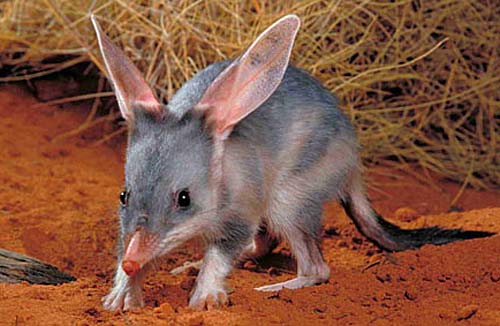
Na Austrália a mascote da Páscoa é um bilby e não um coelho. Os coelhos são vistos como uma praga não controlada, que prejudicam muito o meio ambiente do país. Enquanto a nova mascote corre o risco de extinção.
Hot Croos Bun
Bilby de chocolate

América Latina e Brasil

É comum as crianças montarem seus próprios ninhos de Páscoa (de vime, madeira ou papel) e enchê-los de palha ou papel picado. 
Os ninhos são deixados para o coelho colocar doces e ovos durante a madrugada de Páscoa. A caça ao ovo ou caça ao cestinho são brincadeiras tradicionais.
Bermudas
Os habitantes costumam celebrar a Páscoa lançando papagaios de papel, coloridos, para representar a ascensão de Cristo ao céu.

Papagaios de papel nas Bermudas

China

O Qingming Festival, que significa clean and bright, é uma celebração que ocorre na mesma época da Páscoa. Consiste em visitar os túmulos dos ancestrais, que por sua vez são limpos, fazem-se oferendas de comida e bebida e acende-se incenso.
Neste festival é também habitual fazer-se caminhadas ao ar livre, de forma a que os habitantes apreciem os cenários da natureza, e também o lançamento de papagaios de papel, de forma a trazer boa sorte e a afastar as doenças.


Escócia

Uma das brincadeiras tradicionais é uma competição entre as crianças - egg rolling!, que consiste pintar ovos de galinha e depois atirá-los por uma ladeira, de forma a que rolem por terreno a baixo. O que chegar mais longe, sem se partir, ganha. 

Egg rolling

Europa Oriental, como Estônia, Lituânia e Rússia

A tradição mais forte é a decoração de ovos com os quais serão presenteados amigos e parentes. A tradição diz que, se as crianças forem bem comportadas na noite anterior ao domingo de Páscoa e deixarem um boné de tecido num lugar escondido, o coelho deixará doces e ovos coloridos nesses 'ninhos'.

Estados Unidos da América

A brincadeira mais tradicional é Easter egg hunts (a conhecida caça ao ovo). Ovos de chocolate são escondidos pelos casas, quintais, ou parques de foram a serem descobertos pelas crianças, na manhã do dia de Páscoa. 
Em algumas cidades a caça ao ovo é um evento organizado pela própria comunidade e é feito numa praça pública.


Easter egg hunt


Filipinas

Há dezenas de anos que os filipinos têm uma tradição bem sangrenta para comemorar a chegada da Páscoa. Na Sexta Feira Santa milhares de fiéis se flagelam, imitando os sofrimentos infligidos a Jesus Cristo e são crucificados na cruz, exatamente como Jesus, como sinal de penitência. O ponto alto é às 15h00, hora em que Jesus morreu.


Finlândia
A Páscoa é comemorada de forma semelhante ao que vemos no Halloween. As tradições deste país misturam referências religiosas com costumes relacionados à tão aguardada chegada da Primavera. 
Ao abrir a porta da rua, no Domingo antes da Páscoa, surgem pequenas e amáveis bruxas oferecendo-se para proteger o lar, em troca de doces.
Na mais popular tradição familiar, jovens crianças vestem-se de bruxas da Páscoa, com velhas roupas, coloridas e com pintas de tinta no rosto. 
Assim muitas famílias, mantêm um cesto cheio de ovos de Páscoa de chocolate perto da porta para dar às visitas. 
As bruxas recitam uma rima tradicional na porta: Virvon, varvon, tuoreeks terveeks, tulevaks vuodeks; vitsa sulle, palkka mulle! ("Tenho um ramo mágico para um novo e saudável ano; um ramo para você e um doce para mim!")


França

Desde 1973 que em Bessières (Haute Garonne) e também em Mazeres (Ariège), na Segunda Feira de Páscoa, os cavaleiros da Confraria Mundial da Omelete Gigante de Páscoa confeccionam uma omelete com 15 mil ovos!


Guatemala

A Páscoa por aqui é marcada por celebrações religiosas. O ponto alto é na Sexta Feira Santa, quando milhares de locais e turistas enchem as ruas calcetadas de Antigua, para assistir às longas procissões protagonizadas por homens, num invulgar traje maia, de cor roxa. Gigantes andores que chegam a pesar toneladas, com estátuas de Cristo crucificado, desfilam pela cidade. Também há andores com esculturas da Virgem Maria, bem mais leves, transportados por mulheres vestidas de negro. 


Mas a grande atração da Semana Santa em Antigua são os extensos tapetes que cobrem as ruas da cidade, feitos de flores e serradura tingida com cores vivíssimas e, em alguns casos, também frutas, vegetais e areia. As alfombras de aserrín são dispostas nas ruas apenas 24 horas antes do início das celebrações, enfeitam o caminho dos fieis até às igrejas. Os tapetes são destruídos em poucos minutos com a passagem da procissão.


Alfombras de aserrín
Grécia

A Páscoa traz uma curiosa tradição na Grécia, os Ovos Vermelhos da Páscoa, em grego Κόκκινα πασχαλινά αυγά.

Muito antes do cristianismo, ancestrais pintavam e decoravam ovos para festejarem a continuação da vida. Os ovos, naquela época, simbolizavam os presentes perfeitos da natureza e eram utilizados para comemorar a chegada da Primavera. O ovo, símbolo antiquíssimo do nascimento do mundo, do nascimento da vida, é encontrado em diversos cultos ancestrais, ele tem dentro de si o poder da vida e acreditava-se que podia transmiti-la aos homens, animais e plantas.
A pintura dos ovos acontece na quinta feira que antecede a Páscoa (Μεγάλη Πέμπτη - Megháli Penpti ou Grande Quinta) e por isso é chamada de Κοκκινοπέφτη (Kokinopéfti - quinta vermelha), lembrando o derrame do sangue de Jesus Cristo. A cor vermelho vivo provém das Papoulas. 
Um ritual que acontece após a missa da Ressurreição e repete-se por todo o dia de Páscoa é a quebra dos ovos. Cada pessoa ganha um ovo e segura firmemente envolto na mão, então bate no ovo que está na mão da outra pessoa e ao quebrar um dos ovos diz Χριστός Ανέστη (Xhristós Anésti) - Cristo ressuscitou, e a outra pessoa responde Αληθώς Ανέστη (Alithós Anésti) - Na verdade, ressuscitou. A quebra dos ovos vermelhos simboliza a Ressurreição de Cristo.
O ovo simboliza a vida e a criação que contém esta vida. Quando se rompe a casca do ovo nasce uma vida e quando fazemos o ritual de quebra dos ovos isto simboliza o rompimento da sepultura de Cristo e sua Ressurreição.

Reza a lenda que o último a ter seu ovo rachado terá bastante sorte no ano seguinte.


Ovos Vermelhos da Páscoa

Índia

Nos locais onde o hindu é praticado, a festa ganha detalhes únicos, encontrados apenas no país. Em vez da Páscoa, tal qual como conhecemos, na Índia é comemorado o Festival Holi. A data é marcada para relembrar o nascimento do Deus Krishna.
Garantindo um mergulho cultural incomparável, o país reúne-se para dançar, tocar flautas e outros instrumentos musicais, preparando ainda verdadeiros banquetes com comida e pratos típicos. 
Outra marca da festa é a presença dos elefantes que recebem pinturas especiais pelo corpo. Os anfitriões marcam a testa de seus convidados com um pó colorido. Hoje em dia, o pó toma conta dos espaços, enchendo de cor ruas, lugares e pessoas.
Hoje em dia este festival é além fronteiras, torna-se o evento popular em diversos países.


Inglaterra

Nas terras de sua majestade crianças, jovens e até mesmo adultos procurem ovos de chocolate em jardins e praças públicas - Easter egg hunt.
Na capital inglesa, doçarias e casas de chocolate promovem diferentes eventos, assim como outros lugares públicos, onde a celebração pode contar ainda com espetáculos de marionetas, de mágicos e de bandas.


Tower Bridge, Londres

Japão


Apenas um por cento da população japonesa é cristã. No Japão esta altura do ano passa relativamente despercebida. Mas ultimamente, tem sido introduzida na rotina dos japoneses. Por exemplo, em 2010 a Disney construiu um parque em Tóquio para promover a Páscoa - Disney Easter Wonderland. Desde 2011 que a Baskin Robbins tem vindo a promover esta data - Wonderful Easter Campaign.
  • Coelho: う さ ぎ = Usagi
  • Pintainho: ひ よ こ = Hiyoko
  • Chocolate: チ ョ コ レ ー ト = Chokoreeto
  • Ovo: 卵 = Tamago
  • Jesus: イ エ ス = Liesu
  • Jesus Cristo: キ リ ス ト = Kirisuto


Polónia
As mulheres das famílias fazem cestos com bens alimentares, que depois são benzidos e oferecidos a familiares.
Outra tradição é comemorar a Segunda Feira Molhada. É um costume pagão que simboliza a limpeza. Quando o cristianismo se tornou a religião principal, a prática foi adotada como um ritual cristão, relacionada à limpeza dos pecados da alma. Com o passar dos anos a segunda-feira molhada deixou de ser um ritual cristão e virou uma brincadeira. O objetivo é molhar mulheres solteiras e crianças.


Portugal


A Páscoa em Portugal está ligada ao renascimento de Jesus Cristo, assim como nos demais países católicos, e representa a vida. É celebrada no primeiro domingo, início oficial da Primavera.
Além de ser uma celebração religiosa, a Páscoa é um dia especial para os padrinhos e madrinhas, em Portugal. A tradição diz que eles devem dar de presente aos seus afilhados o Folar de Páscoa, um bolo de massa seca, doce e ligada, com canela, erva-doce e ovos cozidos inteiros.
Os principais pratos típicos que se consome nesta altura são o cabrito e borrego assado. 
Folar de Páscoa
Suécia

A Páscoa na Suécia é muito parecida com a da Finlândia.
Esta tradição, Påskkärringen começou em 1.800, mas a história das bruxas é ainda mais antiga. Acredita-se  que na Quinta Feira de Páscoa de 1600, elas voaram para uma grande festa em Blåkulla (interior da Suécia), quando sofreram uma terrível consequência. Mais de 200 mulheres acusadas de serem bruxas morreram queimadas na fogueira, depois de uma terrível tortura. Como forma de relembrar o sofrimento dessas mulheres, na Quinta Feira Santa ou na véspera da Páscoa, as crianças mascaram-se de bruxas mendigas e vão a casa dos seus vizinhos, entregar cartões de Páscoa feitos por elas mesmas.


Ucrânia

Existe uma manifestação artística muito especial. A produção de ovos decorados de Páscoa, conhecidos como pysanka, do verbo ucraniano pee-sank-ee, pysaty (escrever em ovos). Esta prática existe desde os tempos pagãos, 4.000 a.C. e fazem parte dos rituais religiosos. Os ovos são pintados com motivos naturais. Decorados com um método batik (corante à base de cera). São constituídos pelos seguintes elementos: trigo - saúde, flores e pássaros - felicidade e primavera, triângulo - ar, fofo e água; galinhas e frangos - fertilidade; galos e folhas de carvalho - masculinidade e força. As pessoas idosas recebem pysanky de cores escuras (vida movimentada) e as crianças de cor predominantemente branca (pois a sua vida ainda é uma página em branco).


Pysanka


Dear readers,

Do you knew that "Easter" means "passing"?
Yeah, well ...
This date is celebrating in many countries, to commemorate the Resurrection of Jesus Christ after his death on Good Friday (around 33 AD)
Over the years, this ritual obtained several contours and variations in each culture. Symbols and traditions that we saw it's "traditional", in other places are very different.
Let's see ...

Germany

Easter begins on Holy Thursday, in german Grundonnerstag which means "green farm fair". On this day is quite normal to eat green food. The Good Friday in German is called Karfreitag.
Beyond the typical chocolate egg, people also eats Osterlamm, a cake in the shape of lamb.
There is a tradition of painting chicken eggs, and decorate in dry branches that are put in pots, at home, or in trees, known as Easter trees or Osterbaum. (The branch symbolizes coldness and death of Jesus Christ, while the egg symbolizes life, the Resurrection of Jesus Christ).
The video below shows a german with 76 years, which drew more than 10,000 eggs to decorate an apple tree in his garden.


Australia

The whole country celebrates a big holiday in since Friday (Good Friday) until Monday (Good Monday). On Friday it's traditional to eat up the Hot Cross Bun (a type of sweet bread with raisins, nutmeg, cinnamon, cloves and draws a cross on top).
In Australia the Easter mascot is a bilby and not a rabbit. Rabbits are seen as an uncontrolled plague, which greatly harm the environment of the country. While the new mascot is in danger of extinction.


Hot Croos Bun
Bilby de chocolate
Latin America and Brazil

It is common for children to assemble their own Easter nests (wicker, wood or paper) and fill them with straw or shredded paper.
The nests are left to put the rabbit candy and eggs during the early hours of Easter. The egg hunt or hunt small basket are traditional games.

Bermuda

The people usually celebrate Easter launching kites, colorful, to represent Christ's ascension to heaven.


Kites in Bermuda
China

The Qingming Festival, which means clean and bright, is a celebration which takes place in the same time of the Easter. Visiting graves of ancestors, clean them, made offerings of food and drink and light incense.
This festival is also usual to be walking outdoors, so that the inhabitants enjoy the scenery of nature, and also the launch of kites in order to bring good luck and ward off disease.


Scotland

One of the traditional games is a competition among children - egg rolling !
Consisting paint chicken eggs and then toss them down a slope, so that by rolling terrain and down. What go further, without breaking wins.


Egg rolling

Eastern Europe, such as Estonia, Lithuania and Russia

The strongest tradition is decorating eggs with which will be presented friends and relatives. Tradition says that if the children are well behaved the night before Easter Sunday and leave a cap of tissue in a hidden place, the rabbit will leave candy and colored eggs in these 'nests'.


United States of America

The most traditional Easter egg hunts game is (a known egg hunt). Chocolate eggs are hidden by houses, backyards or parks were to be discovered by children on Easter Day morning.
In some cities the egg hunt is an event organized by the community and is done in a public square.


Easter egg hunt
Philippines

For decades that Filipinos have a bloody good tradition to celebrate the arrival of Easter. On Good Friday thousands of faithful plague, imitating the sufferings inflicted on Jesus Christ and are crucified on the cross, just as Jesus, as a sign of penance. The high point is at 3:00 p.m., at the same time which Jesus died.


Finland

Easter is celebrated similarly to what we see on Halloween. The traditions of this country mixed religious references with customs related to the long-awaited arrival of spring.
When you open the front door, on the Sunday before Easter, there are small and kind witches offering to protect the home, in exchange for candy.
In the most popular family tradition, young children are dressed in Easter witches, with old clothes, colorful and with ink spots on her face.
So many families, keep a basket full of chocolate Easter eggs near the door to give tours.
Witches recite a traditional rhyme at the door: Virvon, varvon, tuoreeks terveeks, tulevaks vuodeks; Vitsa sulle, palkka mulle! ("I have a magic branch to a new and healthy year, a branch for you and a sweet to me!")


France

Since 1973 in Bessières (Haute Garonne) and also in Mazeres (Ariège), on Monday of Easter, the World Omelette Easter Giant Brotherhood Knights cook up an omelet with 15,000 eggs!


Guatemala

Easter here is marked by religious celebrations. The high point is on Good Friday, when thousands of locals and tourists fill the cobbled streets of Antigua, to attend long processions starring men, an unusual Mayan costume, purple color. Litters giant which weigh tons, with statues of Christ crucified, parade through the city. There litters with sculptures of the Virgin Mary and lighter carried by women dressed in black.

But the big attraction of Holy Week in Antigua are the extensive carpets covering the streets, made of flowers and dyed sawdust with very vivid colors, and in some cases, also fruits, vegetables and sand. The carpets of aserrín are arranged on the streets just 24 hours before the start of the celebrations, adorn the path of the faithful to the church. The carpets are destroyed in a few minutes with the passage of the procession.


Carpets of aserrín

Greece

Easter brings a curious tradition in Greece, the Easter Red Eggs in greek Κόκκινα πασχαλινά αυγά.

Long before Christianity, ancient painted and decorated eggs to cheer about the continuation of life. The eggs, then, symbolized the perfect gifts of nature and were used to celebrate the arrival of spring. The egg, ancient symbol of the world's birth, the birth of life, is found in many ancient cults, he has within himself the power of life and it was believed that he could transmit it to humans, animals and plants.
The painting of the eggs takes place on Thursday leading up to Easter (Μεγάλη Πέμπτη - Megháli Penpti or Great Thursday) and so is called Κοκκινοπέφτη (Kokinopéfti - fifth red), remembering the spill the blood of Jesus Christ. The bright red color comes from the Poppies.
A ritual that happens after the Mass of the Resurrection and is repeated throughout the Easter Day is the breaking of the eggs. Each person gets an egg and secure tightly wrapped in hand, then beat in the egg in the hand of the other person and break an egg says Χριστός Ανέστη (Xhristós Anesti) - Christ is risen, and the other person responds Αληθώς Ανέστη (Alithós Anesti) - In fact, risen. The breakdown of red eggs symbolizing the Resurrection of Christ.
The egg symbolizes life and the creation that contains this life. When it breaks the eggshell born a life and when we do the eggs break ritual that symbolizes the breaking of the sepulcher of Christ and his resurrection.
Legend has it that the last to have its cracked egg will have enough luck the following year.


Easter Red Eggs

India

In places where Hindu is practiced, the party won only details found only in the country. Instead of Easter, just as we know, India is celebrated Holi Festival. The date is marked to commemorate the birth of Lord Krishna.
Ensuring an unparalleled cultural diving, the country meets to dance, play flutes and other musical instruments, still preparing true banquet with food and dishes.
Another party of the brand is the presence of elephants receive special paintings by the body. The hosts mark the forehead of your guests with a colored powder. Today, the powder takes care of spaces, filling color streets, places and people.
Today this festival is abroad, the popular event becomes in many countries.


England

In the lands of Her Majesty, children, youth and even adults seek chocolate eggs in gardens and public squares - Easter egg hunt.
In the English capital, confectionery and chocolate houses promote different events, and other public places where the celebration can also count on puppet shows, magicians and bands.


Tower Bridge, Londres

Japan

Only one percent of the Japanese population is Christian. In Japan this time of year passes relatively unnoticed. But lately, it has been introduced into the routine of the Japanese. For example, in 2010 the Disney builded a park in Tokyo to promote Easter - Disney Easter Wonderland. Since 2011 the Baskin Robbins has been promoting this date - Wonderful Easter Campaign.


Rabbit: う さ ぎ = Usagi
Chick: ひ よ こ = Hiyoko
Chocolate: チ ョ コ レ ー ト = Chokoreeto
Egg: 卵 = Tamago
Jesus: イ エ ス = Liesu
Jesus Christ: キ リ ス ト = Kirisuto


Poland

The women's families make baskets with food, which are then blessed and offered the family.
Another tradition is to celebrate the Wet Monday. It is a pagan custom that symbolizes cleaning. When Christianity became the main religion, the practice was adopted as a Christian ritual, related to clean the sins of the soul. Over the years the wet Monday ceased to be a Christian ritual and turned into a joke. The goal is wet single women and children.


Portugal

Easter in Portugal is linked to the rebirth of Jesus Christ, as in other Catholic countries, and represents life. It is celebrated on the first Sunday, the official beginning of spring.
Besides being a religious celebration, Easter is a special day for the groomsmen and bridesmaids in Portugal. The tradition says they should give away to their godchildren the Folar Easter a dry mass of cake, sweet and on, with cinnamon, fennel and whole boiled eggs.
The main dishes that is consumed at this time are the lamb and roast lamb.


Easter Folar
Sweden

Easter in Sweden is very similar to that of Finland.
This tradition began in 1800 Påskkärringen, but the story of the witches is even older. It is believed that on Thursday, Easter 1600, they flew to a big party in Blåkulla (within Sweden), when suffered a terrible consequence. More than 200 women accused of being witches were burnt to death at the stake, after a terrible torture. As a way to remember the suffering of these women in Holy Thursday or the day before Easter, children mask is beggars witches and go home of their neighbors, deliver Easter cards made by themselves.


Ukraine

There is a very special art form. The production of eggs decorated Easter, known as pysanka, the Ukrainian verb pee-sank-ee, pysaty (write in eggs). This practice has existed since pagan times, 4000 BC and are part of religious rituals. The eggs are painted with natural motifs. Decorated with a batik method (dye-based wax). They consist of the following: wheat - health, flowers and birds - happiness and spring, triangle - air, water and fluffy; hens and chickens - fertility; roosters and oak leaves - masculinity and strength. The elderly receive from dark colors pysanky (busy life) and children predominantly white (because his life is still a blank page).


Pysanka